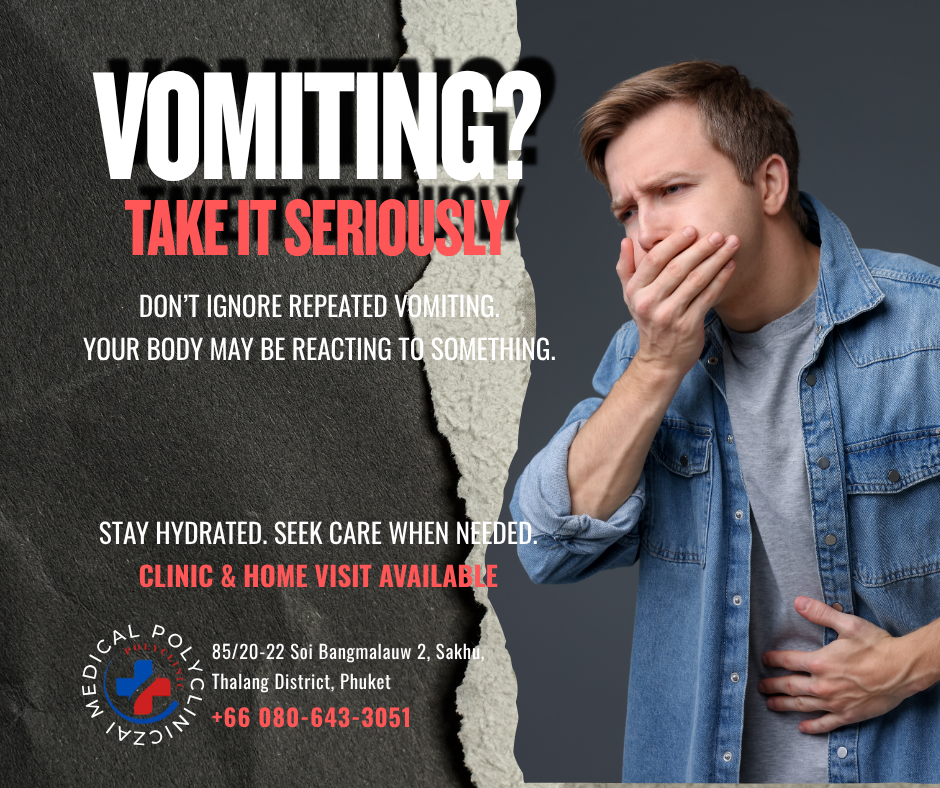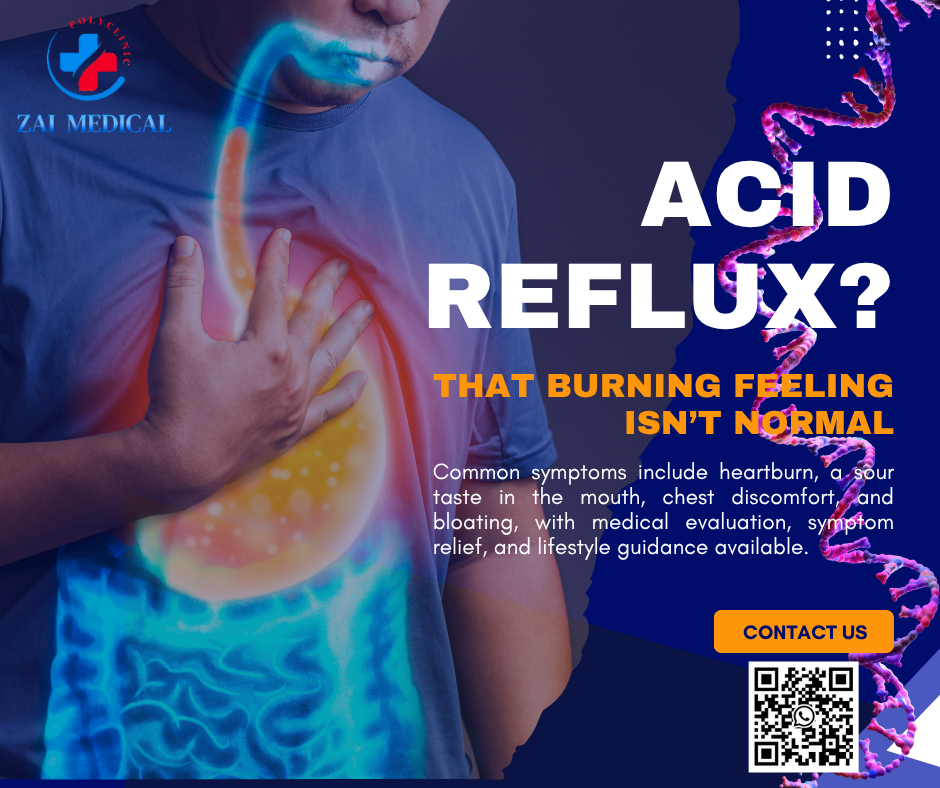
Gastroesophageal Reflux Disease (GERD) is a condition in which stomach acid or digestive fluids flow back into the esophagus, causing irritation, heartburn, and potentially other complications.
Common Symptoms
- A burning sensation in the upper abdomen that may spread to the chest and throat
- Sour burping or a bitter taste from stomach acid in the throat
- Chest tightness, bloating, nausea, or indigestion
- Difficulty swallowing or a sensation of a lump in the throat
- Chronic cough, hoarseness, or mucus in the throat, especially in the morning
Causes and Triggering Factors
GERD is commonly caused by dysfunction of the lower esophageal sphincter or increased abdominal pressure. Common risk factors and triggers include:
- Eating large meals or consuming spicy, fried, oily, or heavily seasoned foods
- Lying down immediately after meals
- Drinking alcohol, smoking, or consuming tea and coffee
- Being overweight or obese
Self-Care and Lifestyle Adjustments
- Adjust eating habits: Eat smaller meals more frequently, chew food thoroughly, and avoid overeating
- Avoid trigger foods and drinks: Limit spicy foods, fried foods, fatty foods, carbonated drinks, tea, coffee, and alcohol
- Sleeping position: Avoid lying down or exercising immediately after eating. Wait at least 2–3 hours after meals before lying down, and elevate the head of the bed by approximately 6–8 inches
- Clothing: Avoid wearing tight-fitting clothes that increase abdominal pressure
Medical Treatment
If symptoms do not improve after lifestyle modifications, a doctor may prescribe medications such as antacids, drugs that improve gastrointestinal motility, or medications that reduce stomach acid production. In severe cases, surgical treatment may be considered.